Surgical Wisdom Tooth Extraction in Bowling Green KY
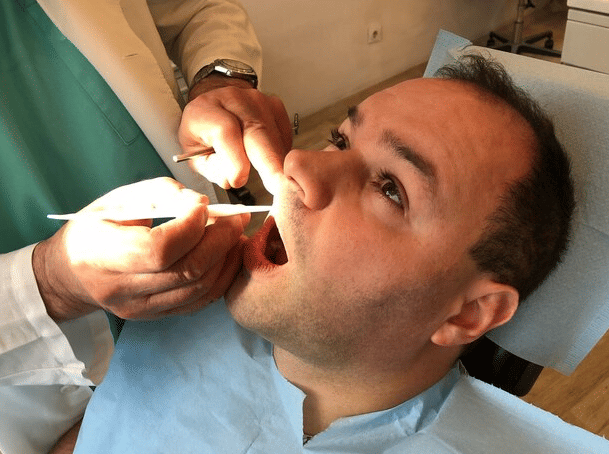
Surgical extraction of the wisdom teeth is a common procedure that is usually covered by insurance. However, the cost can still be substantial depending on your insurance deductible and annual maximum.
A wisdom tooth is a third molar that makes its appearance in the back of the mouth during early adulthood. Insufficient space for proper eruption can lead to impacted wisdom teeth which can cause infection, damage to surrounding teeth and jaw bone, cysts, or tumors.
Impacted Wisdom Teeth
Many people need their wisdom teeth (also called third molars) removed because they do not have room to grow in properly. When this happens, they can cause crowding, damage or infection to other teeth. This is a common problem, and it can usually be prevented with early evaluation and treatment.
During the wisdom tooth extraction Bowling Green KY process, the patient may choose to receive local anesthesia or laughing gas (nitrous oxide/oxygen analgesia). Some patients even opt for sedation dentistry during their procedure to help them relax and stay comfortable.
After surgery, the patient should use the pain medication provided by the dentist and take antibiotics as prescribed. It is important to follow the post-surgery instructions from your dentist, as this can help prevent complications such as dry socket or infection. The mouth should be kept clean, but vigorous rinsing or touching the wound area should be avoided. This can dislodge the blood clot that has formed and lead to increased pain and swelling.
Impacted Teeth Symptoms
A symptom of an impacted tooth is pain in the back of the mouth near the area where the wisdom teeth are located. Other symptoms include a visible gap where the tooth hasn’t fully emerged, lingering bad breath, a tingling sensation in the tongue or lower lip, and gum disease.
A partially erupted wisdom tooth is difficult to keep clean, as food can easily become trapped between the gum and the molar. If left untreated, this can lead to gum disease and cavities. If there isn’t enough room for the wisdom tooth to erupt properly, it can cause damage to the second molars directly in front of them, as well as to the jaw bone and surrounding teeth.
Infection (periodontal) and cysts are also common problems associated with impacted wisdom teeth. Cysts are fluid-filled “balloons” that develop inside the jaw bone and slowly destroy surrounding teeth and bone tissue. Tumors are less common but can also form around impacted wisdom teeth.
Impacted Teeth Causes
When wisdom teeth, or third molars, erupt, they may not have enough room to emerge properly. This can lead to impaction, causing problems with the gums and adjacent teeth. It can also lead to tooth decay and infections as food, bacteria, and plaque easily become trapped around partially erupted wisdom teeth.
Other symptoms of impacted teeth include redness and swelling of the gum tissue, visible gaps where a tooth hasn’t yet broken through the gums, bad breath (halitosis), and an odd taste when biting down. If any of these symptoms persist, it’s important to visit a dentist for an exam and treatment.
During an impacted tooth removal procedure, your dentist or oral surgeon will numb the area with one or more shots. They may also give you sedation medicines that make you feel sleepy but allow you to breathe on your own. This is different from general anesthesia, where you need to be put under.
Impacted Teeth Treatment
Many people with impacted wisdom teeth will benefit from tooth removal, either to treat existing symptoms or to prevent future complications. Our dentists can provide anesthesia and sedation during the procedure.
Third molars, commonly called wisdom teeth, generally surface between the ages of 17 and 25. They can become impacted due to lack of room in the mouth, eruption at an incorrect angle or obstruction from nearby teeth. When a wisdom tooth becomes trapped, it can cause problems like gum disease, cysts and damage to the jawbone.
The most common sign of an impacted wisdom tooth extraction Bowling Green KY is pain or tenderness in the back of the mouth near the area where the wisdom teeth are located. Other signs include visible gaps where a tooth hasn’t emerged and bad breath that may indicate decay or gum disease. Recognizing these symptoms early is the best way to preserve your dental health and prevent long-term damage. Our team will discuss your treatment options when you come in for an exam and cleaning.